


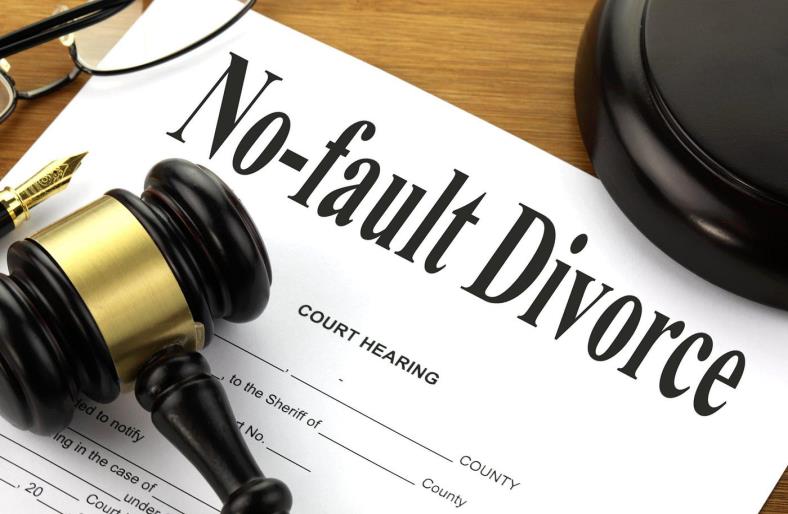
Divorce cases are divided into various types based on the causes of the separation. There is a fault-based and no-fault divorce specified in the divorce agreement. A no-fault divorce is a type in which no party is involved in doing something wrong. There is no specific lousy thing that has led to the breakdown of the marriage.
There need to be clarifications about the type of divorce, therefore, you must be aware of the basic facts of no-fault divorce. In this article, we will discuss a no-fault divorce and the pros and cons of such divorce cases. If you want to consult an experienced lawyer about this type, you can consult any law firm. Various law firms, such as the Harris firm, can help you understand the concept of divorce and its types.
What is a No-Fault Divorce?
A no-fault divorce is a type of divorce in which no party is involved in anything wrong. No spouse is accused of doing wrong, but the divorce is due to other reasons. The divorce is not based on any accusations of fault, such as cruelty, adultery, and abandonment. There is a divorce for different reasons, such as incompatibility and irreconcilable differences.
What are the Positive aspects of No-Fault Divorce?
- The no-fault divorce will remove unnecessary conflicts, as there is no need to play the blame game to end the relationship. Therefore, there is less chance of dispute among the couple.
- If there is no blame game, the couple can apply for a divorce together. There is no need to wait for the other to take the initiative.
- It also makes the whole process more accessible, which is one of the easiest ways to get a divorce.
- This also allows the couple to keep their cordial relationship with the partner even after divorce.
What are the Negative Aspects of No-Fault Divorce?
- The process takes around six months in the preparation of the case. There are instances in which the couple can get divorced easily, but paper completion of separation of assets, spousal support and other things take time. Thus, it creates an extended period.
- Divorce has become too easy for couples to divorce, even for small, petty things.
- No person is ready to take the responsibility for ending the marriage.
