


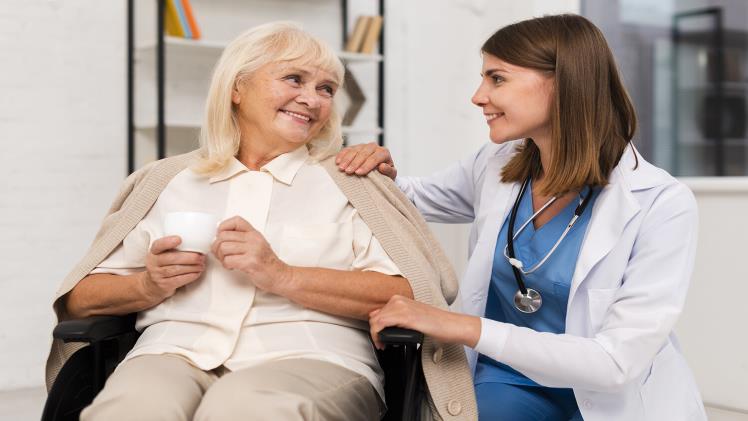
As people age, visits to medical facilities become increasingly frequent. To ensure these visits are as comfortable as possible, healthcare environments must be thoughtfully designed to meet the specific needs of elderly patients. This detailed guide explores how medical settings can be optimized for senior comfort, making each visit less stressful and more accommodating.
Understanding the Needs of Elderly Patients
Elderly patients have unique needs when it comes to medical care. Reduced mobility, heightened sensitivity to stress, and various health conditions require special considerations to make medical environments welcoming and comfortable. Comfort in a medical setting not only impacts patient satisfaction but can also influence health outcomes by reducing stress and promoting relaxation.
The Role of Comfortable Seating
One significant aspect of comfort in medical settings is the availability of appropriate seating. A hospital recliner chair, for example, can significantly enhance an elderly patient’s comfort during long waits or treatments. These chairs allow for adjustable positioning to reduce pressure on the back and joints, which is essential for those who may suffer from chronic pain or mobility issues.
Enhancing Medical Facilities for the Elderly
To optimize medical settings for the elderly, several strategies can be employed. These improvements cater to both the physical and emotional needs of senior patients.
Physical Environment Adjustments
- Walkways and Access: Ensure that all areas are easily accessible with ramps and elevators where necessary. Flooring should be non-slip to prevent falls.
- Lighting: Adequate lighting is crucial to help seniors with compromised vision. Bright, evenly distributed light can prevent accidents and aid in navigation through the facility.
- Noise Control: Excessive noise can be disorienting or even frightening for elderly patients. Sound-absorbing materials and a general emphasis on maintaining a quiet environment can make a significant difference.
Technology for Comfort
- Automated Beds: Beds that can be easily adjusted for height and angle can help patients find a comfortable position to both rest and receive treatment.
- Remote Health Monitoring: This technology allows for the continuous monitoring of vital signs without the need for frequent, potentially uncomfortable interactions with staff.
Emotional and Psychological Considerations
The medical experience can be daunting, particularly for seniors who face frequent hospital visits. Addressing emotional and psychological needs is just as important as the physical aspects of comfort.
Friendly Staff
Staff training should include strategies for communicating effectively and compassionately with elderly patients. A friendly, reassuring approach can significantly reduce anxiety and make medical visits more pleasant.
Privacy and Dignity
Maintaining a patient’s dignity is paramount, especially for seniors who might feel vulnerable during medical treatments. Ensuring privacy during examinations and discussing sensitive topics discreetly are essential practices.
Family and Caregiver Involvement
Involving family members and caregivers in the medical care process can enhance comfort for elderly patients. They can provide emotional support, assist with navigation through the facility, and help communicate the patient’s needs to medical staff.
Support for Caregivers
Providing designated spaces for caregivers to rest and refresh themselves while accompanying elderly patients can improve the overall experience for both parties. This also helps caregivers stay alert and attentive to the needs of the patient.
Continuous Improvement and Feedback
To ensure that medical settings remain optimized for senior comfort, continuous evaluation and adaptation of practices and facilities are necessary.
Patient Feedback
Regularly collecting and analyzing feedback from elderly patients can provide valuable insights into their experiences and highlight areas for improvement.
Staff Training
Ongoing training for medical staff on the latest developments in elderly care and patient comfort strategies can help maintain a high standard of care.
Future Trends in Senior-Friendly Medical Care
Looking ahead, the integration of innovative designs and technologies in medical settings appears promising in enhancing comfort for elderly patients.
Smart Environments
Future medical facilities could use smart technology to adjust conditions automatically based on a patient’s preferences and needs, such as lighting, temperature, and even the firmness of seating.
Virtual Reality
Virtual reality experiences could be used to calm anxious patients or distract them during uncomfortable procedures, providing a comforting escape from the clinical environment.
Final Thoughts
Optimizing comfort in medical settings for seniors is a multifaceted approach that involves physical, emotional, and technological enhancements. By understanding and addressing the unique needs of elderly patients, healthcare providers can significantly improve the quality of care and comfort experienced during medical visits. Ensuring that every aspect, from the design of the facility to the training of staff, is geared towards patient comfort can transform a potentially stressful experience into a supportive and positive one.
