


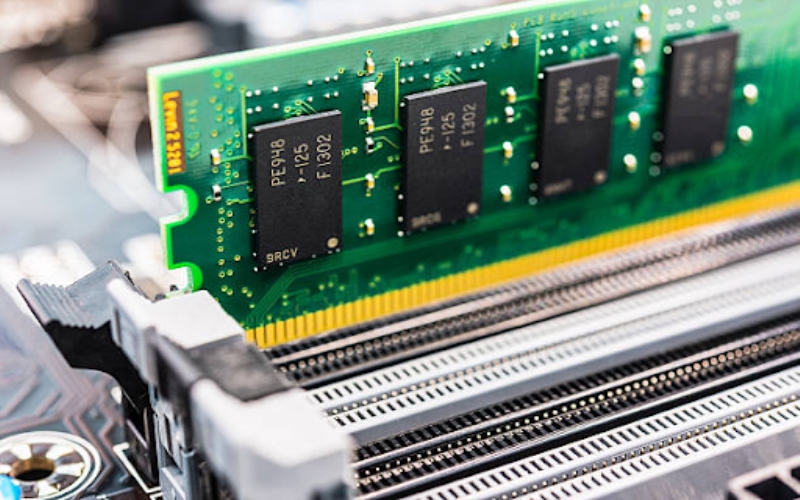
In the vast landscape of modern technology, integrated circuits (ICs) are the unsung heroes that power our devices, from smartphones to spacecraft. These tiny marvels of engineering undergo a fascinating journey, from conceptualization to becoming the silicon brains of our electronic gadgets. In this article, we will delve into the intricate life cycle of integrated circuits, uncovering the steps involved in their creation and the incredible innovations driving this process.
1. Conceptualization and Design
Integrated circuits begin their journey as a concept in the minds of engineers and designers. This phase involves identifying the purpose of the IC, its functionality, and the specifications it needs to meet. The process is meticulous, as every detail must be considered to ensure optimal performance.
Key Points:
- Problem Identification: Engineers pinpoint the problem or need that the IC will address.
- Functional Requirements: Define the functions and features the IC must have.
- Schematic Design: Create a schematic representation of the circuit’s components and connections.
- Simulation: Simulate the circuit’s behavior to identify potential issues.
2. Electronic Design Automation (EDA) Tools
Once the design is conceptualized, engineers leverage Electronic Design Automation (EDA) tools to convert the schematic into a digital format. These tools facilitate the creation of a hardware description language (HDL), allowing ic components suppliers for a more detailed and precise representation of the circuit.
Key Points:
- HDL Coding: Engineers write code to describe the circuit’s functionality in detail.
- Simulations: Conduct simulations to validate the design’s accuracy and performance.
- Hardware Synthesis: Translate the HDL code into a netlist of logical gates and components.
3. Mask Design and Fabrication
With the digital representation of the circuit in hand, the next step involves creating masks for the physical fabrication of the IC. These masks serve as stencils, guiding the deposition and etching processes during manufacturing.
Key Points:
- Mask Generation: Design masks based on the circuit layout.
- Photolithography: Use the masks to transfer the circuit pattern onto a silicon wafer.
- Deposition and Etching: Add and remove materials to create the desired circuit structure.
4. Wafer Processing
The silicon wafer, a crucial element in integrated circuit supplier or manufacturing, undergoes several processing steps to transform it into a functional integrated circuit.
Key Points:
- Doping: Introduce impurities into the silicon to modify its electrical properties.
- Oxidation: Create insulating layers on the wafer’s surface.
- Deposition: Add layers of metal or insulating materials to build the circuit’s components.
5. Photolithography and Etching
Photolithography plays a pivotal role in defining the intricate details of the circuit on the wafer. This step involves projecting light through a mask onto the wafer, creating a pattern that is then etched into the surface.
Key Points:
- Photoresist Application: Apply a light-sensitive material (photoresist) to the wafer.
- Exposure: Shine light through the mask to transfer the circuit pattern onto the photoresist.
- Etching: Remove excess material to reveal the desired circuit structure.
6. Layering and Metallization
As the circuit structure takes shape, additional layers of metal are deposited to interconnect the various components. This metallization process is crucial for ensuring proper electrical conductivity.
Key Points:
- Metal Deposition: Add layers of metal to create interconnections.
- Dielectric Layer: Introduce insulating layers to prevent unwanted electrical interactions.
- Planarization: Smooth the surface for uniform metal layering.
7. Testing and Quality Control
Before an integrated circuit makes its way into a device, it undergoes rigorous testing to ensure functionality and reliability. This phase is critical in identifying any defects or issues that may have occurred during manufacturing.
Key Points:
- Functional Testing: Verify that the circuit performs according to design specifications.
- Quality Control: Check for defects, such as shorts or open circuits.
- Burn-In Testing: Subject the IC to prolonged operation to identify potential failures.
8. Packaging and Assembly
Once an integrated circuit passes the stringent testing phase, it is ready to be packaged. Packaging protects the delicate circuitry, provides electrical connections, and facilitates integration into electronic devices.
Key Points:
- Encapsulation: Seal the IC in a protective package.
- Lead Frame Attachment: Connect the IC to external leads for integration.
- Testing (Again): Conduct final tests to ensure the IC survived the packaging process.
9. Distribution and Integration
With the final packaged ICs in hand, they are distributed to manufacturers for integration into various electronic devices. Whether it’s a smartphone, computer, or a complex aerospace system, integrated circuits serve as the backbone of modern technology.
Key Points:
- Application-Specific Integration: Integrate the IC into specific devices based on their intended use.
- System Testing: Ensure the entire electronic system functions seamlessly.
- Deployment: Devices incorporating integrated circuits are released to the market.
10. Continuous Improvement and Innovation
The life cycle of integrated circuits doesn’t end with their deployment. Engineers and researchers continually work on improving existing designs and developing new technologies. This iterative process of innovation ensures that ICs stay at the forefront of technological advancements.
Key Points:
- Feedback Loop: Gather feedback from users and manufacturers to identify areas for improvement.
- Research and Development: Invest in R&D to explore new materials, designs, and manufacturing techniques.
- Iterative Design: Implement improvements in subsequent generations of integrated circuits.
Conclusion
The journey of integrated circuits, from conceptualization to silicon reality, is a testament to the relentless pursuit of innovation in the field of electronics. As these tiny marvels continue to power the digital revolution, the intricate life cycle outlined above underscores the complexity and precision involved in creating the electronic brains that drive our modern world. With each advancement in technology, integrated circuits evolve, ensuring that our devices become faster, smaller, and more powerful. As we embrace the future, it is certain that the life cycle of integrated circuits will remain a fascinating journey through the realms of science and engineering.
